EN




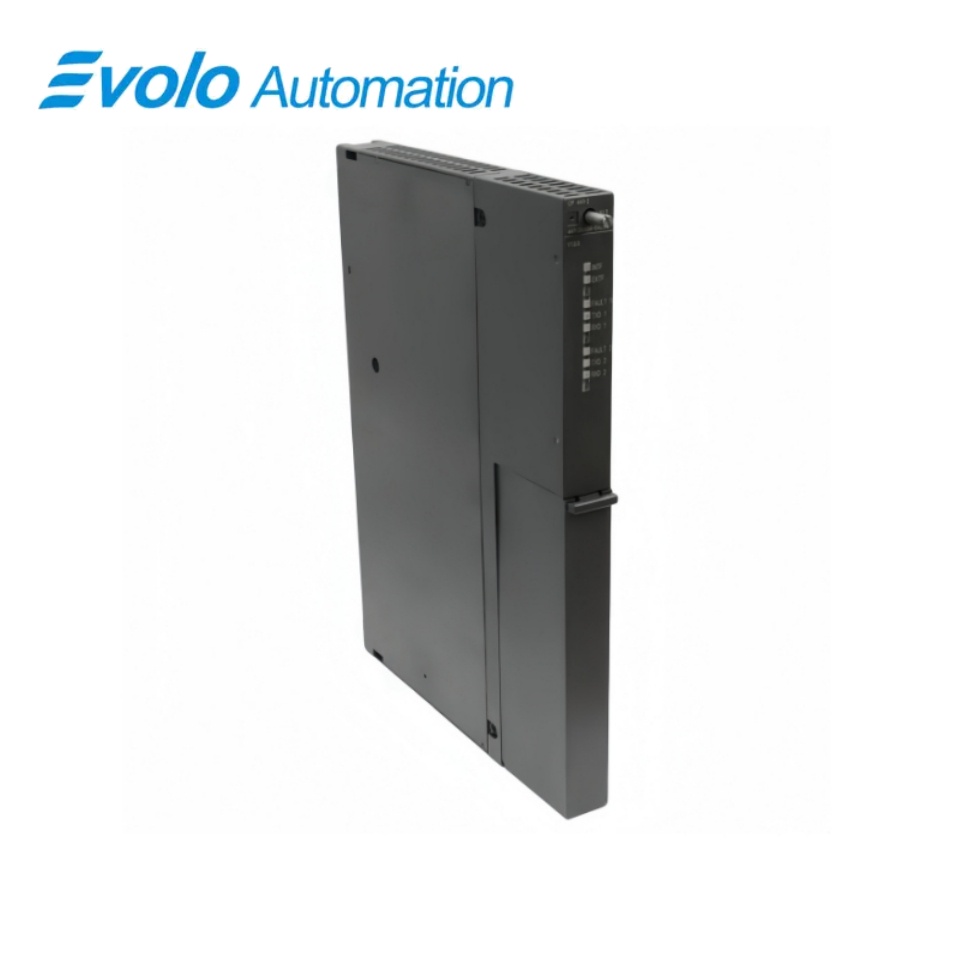
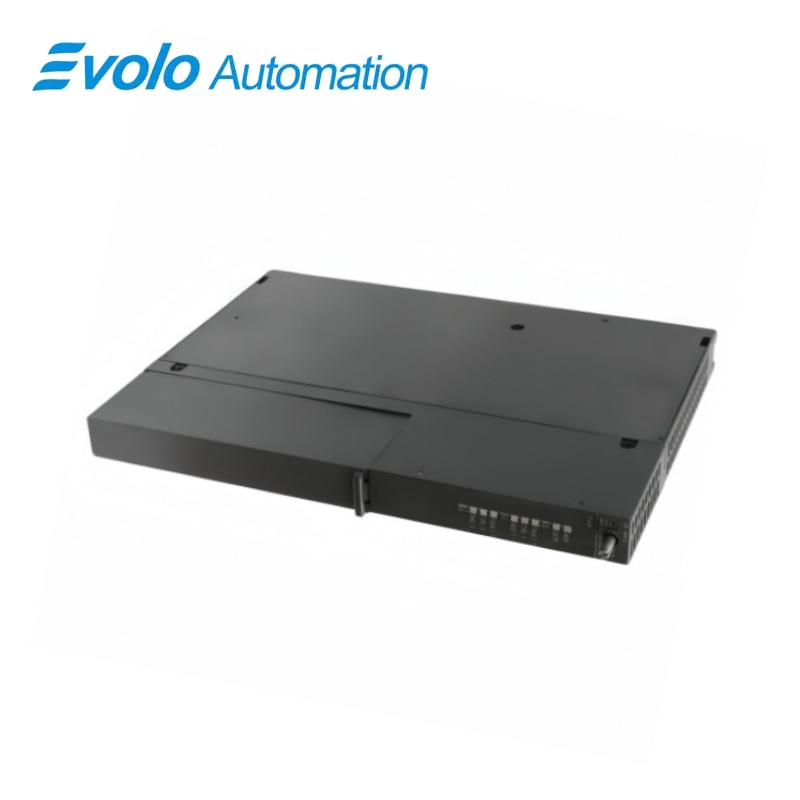
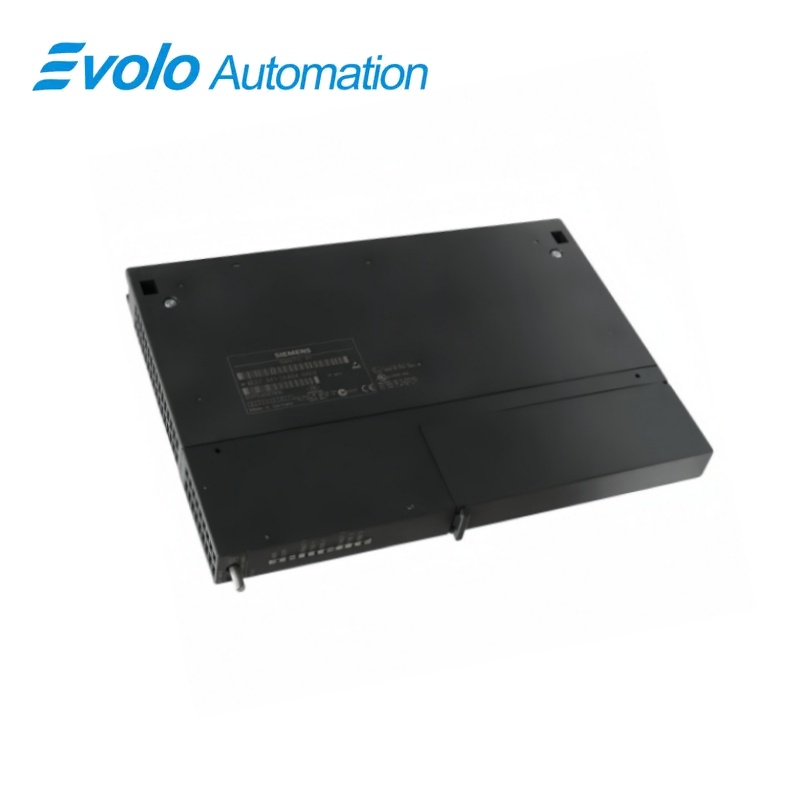
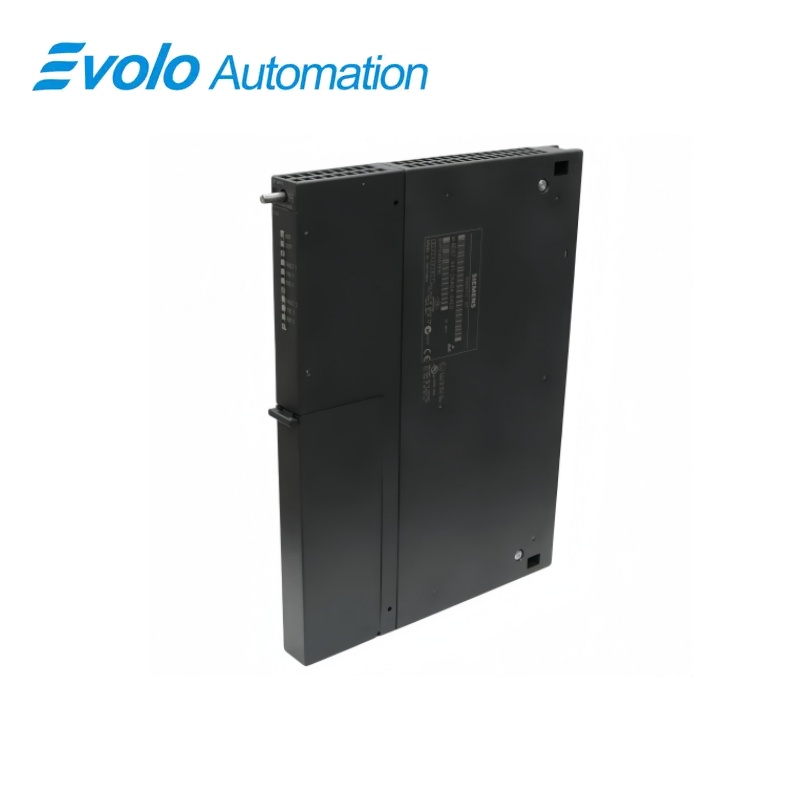
Siemens SIMATIC S7-400 6ES7441-1AA05-0AE0 CP 441-1
Manufacturer: Siemens
Condition: Brand New
Lead Time: In Stock
Origin: Germany
Warranty: 12 Months
Email: [email protected]
whatsApp: +86-18150117685
- Overview
- Product Overview
- Key Functions
- Official Specifications
- Frequently Asked Questions
- Compatibility & Ordering Notes
- Hot Selling Models
- Recommended Products
Overview
Siemens · SIMATIC S7-400
6ES7441-1AA05-0AE0 CP 441-1 Point-to-Point Communication Processor
Siemens 6ES7441-1AA05-0AE0 is the SIMATIC S7-400 CP 441-1 single-channel point-to-point communication processor for selectable RS-232C, 20 mA TTY or RS-422/RS-485 interfaces.
At a Glance
| Brand | Siemens |
|---|---|
| Model | 6ES7441-1AA05-0AE0 |
| Product Type | Single-channel modular serial communication processor |
| Core Function | Exchanges serial data through a selectable physical interface module |
| Application or Compatible Series | SIMATIC S7-400 point-to-point communication tasks |
Interface Choice
Match the installed IF 963 interface module to the external device electrical standard.
Protocol Parameters
Copy the ASCII, 3964(R) or printer settings together with the character frame and handshake.
Program Resources
Retain the STEP 7 parameter blocks, communication calls and CPU memory allocation.
Product Overview
Siemens 6ES7441-1AA05-0AE0 is the SIMATIC S7-400 CP 441-1 single-channel point-to-point communication processor for selectable RS-232C, 20 mA TTY or RS-422/RS-485 interfaces.
Plug-in IF 963 modules provide RS-232C, 20 mA TTY or RS-422/RS-485 connectivity. ASCII, 3964(R) and printer drivers support common point-to-point devices. RS-232C and RS-422/RS-485 variants operate from 300 bit/s up to 115.2 kbit/s.
Key Functions
Selectable Physical Layer
Plug-in IF 963 modules provide RS-232C, 20 mA TTY or RS-422/RS-485 connectivity.
Integrated Serial Drivers
ASCII, 3964(R) and printer drivers support common point-to-point devices.
High Serial Throughput
RS-232C and RS-422/RS-485 variants operate from 300 bit/s up to 115.2 kbit/s.
Official Specifications
| Accepted Supply Voltages | 5 V DC and 24 V DC |
|---|---|
| Maximum Backplane Current at 5 V DC | 300 mA without interface module |
| Typical Power Loss | 2.1 W with one 20 mA TTY interface module |
| CPU Memory for Interface Parameters | 1 to 5 KB |
| CPU Memory for Message Texts | 0 to 55 KB |
| Number of Communication Interfaces | 1, variable by plug-in module |
| Overall Transfer Range | 300 bit/s to 115.2 kbit/s |
| Integrated Protocol Drivers | ASCII, 3964(R) and printer |
| Maximum 20 mA TTY Rate | 19.2 kbit/s |
| Maximum RS-232C Rate | 115.2 kbit/s |
| Maximum RS-422/RS-485 Rate | 115.2 kbit/s |
| Supported Printer Families | HP DeskJet, HP LaserJet, IBM Proprinter and user-defined |
| Operating Temperature | 0 to 60 °C |
| Available Physical Interfaces | RS-232C, 20 mA TTY and RS-422/RS-485 |
Frequently Asked Questions
Which interface module should I install in 6ES7441-1AA05-0AE0?
Choose the IF 963 variant that matches the connected device as RS-232C, 20 mA TTY or RS-422/RS-485.
Can 6ES7441-1AA05-0AE0 communicate at 115.2 kbit/s?
Yes, the RS-232C and RS-422/RS-485 variants support rates up to 115.2 kilobits per second.
Which protocols are built into 6ES7441-1AA05-0AE0?
The processor provides ASCII, 3964(R) and printer communication drivers.
What should I back up before exchanging 6ES7441-1AA05-0AE0?
Back up the STEP 7 hardware settings, serial parameters, communication blocks and associated data areas.
How much CPU memory can 6ES7441-1AA05-0AE0 use for message text?
The configured interface can reserve up to fifty-five kilobytes for message texts.
What should I compare if 6ES7441-1AA05-0AE0 receives malformed telegrams?
Compare baud rate, data bits, parity, stop bits, handshake, protocol framing and electrical interface type.
Can 6ES7441-1AA05-0AE0 operate a serial printer?
Yes, its printer driver supports listed HP and IBM families as well as a user-defined printer.
Compatibility & Ordering Notes
Compatibility Checklist
- Match the plug-in interface module to the exact electrical standard used by the connected serial device.
- Reproduce protocol, character-frame, handshake and baud-rate settings before commissioning.
- Preserve the STEP 7 hardware configuration, communication blocks and reserved CPU memory.