EN




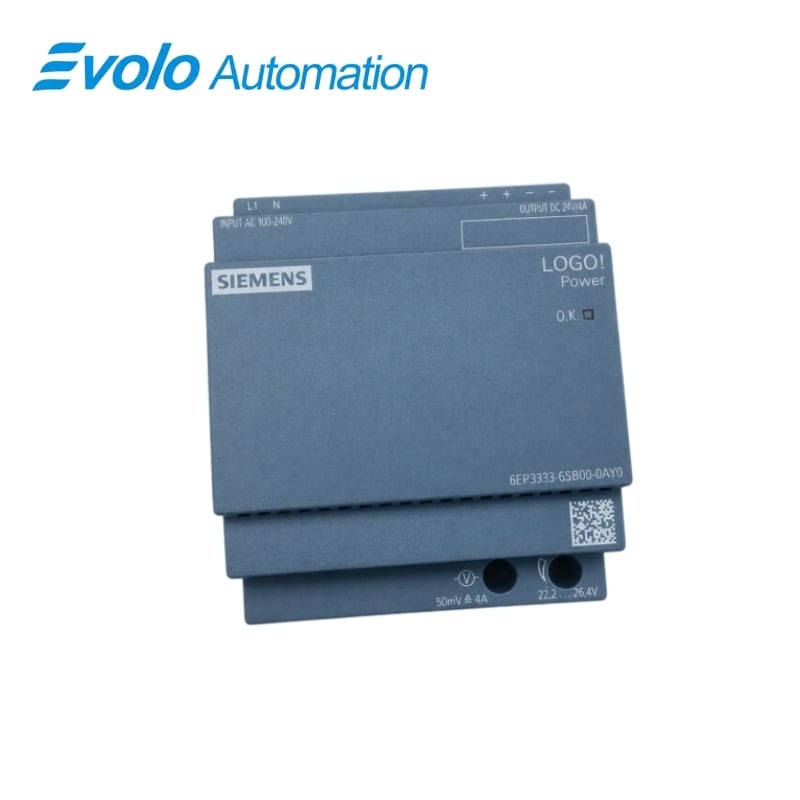
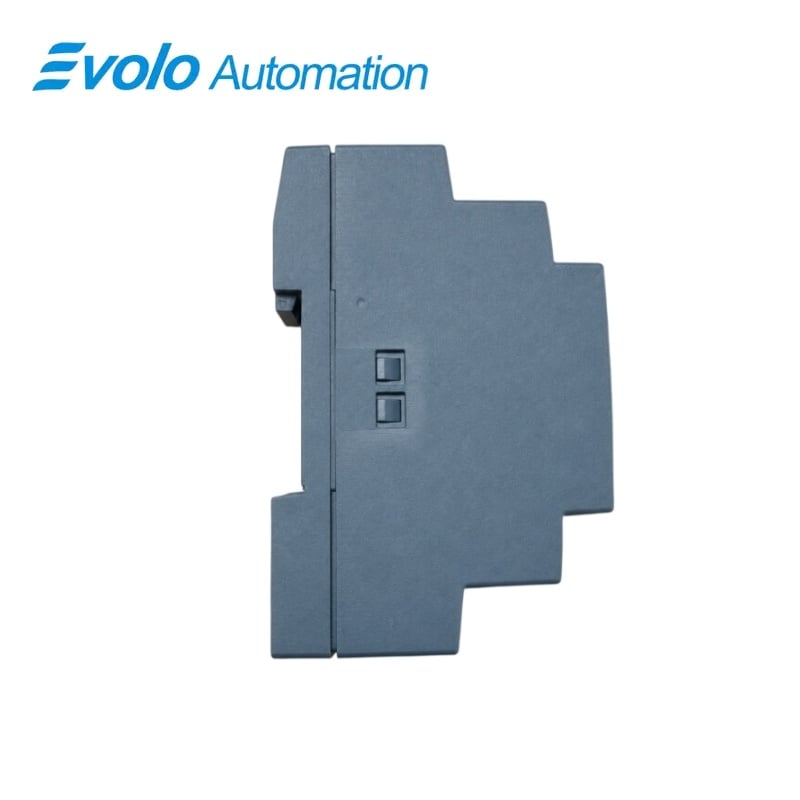
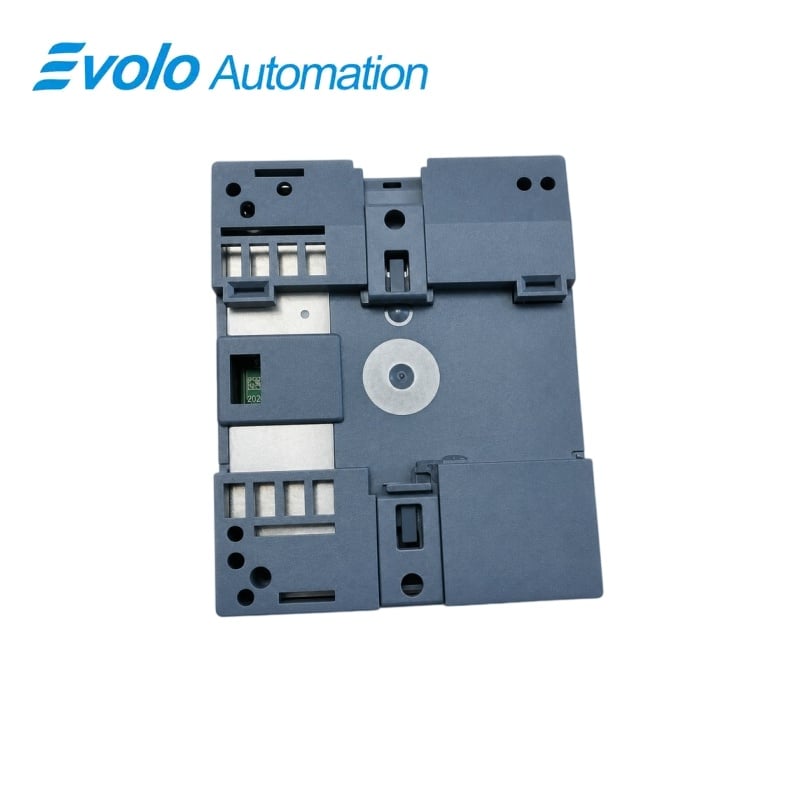
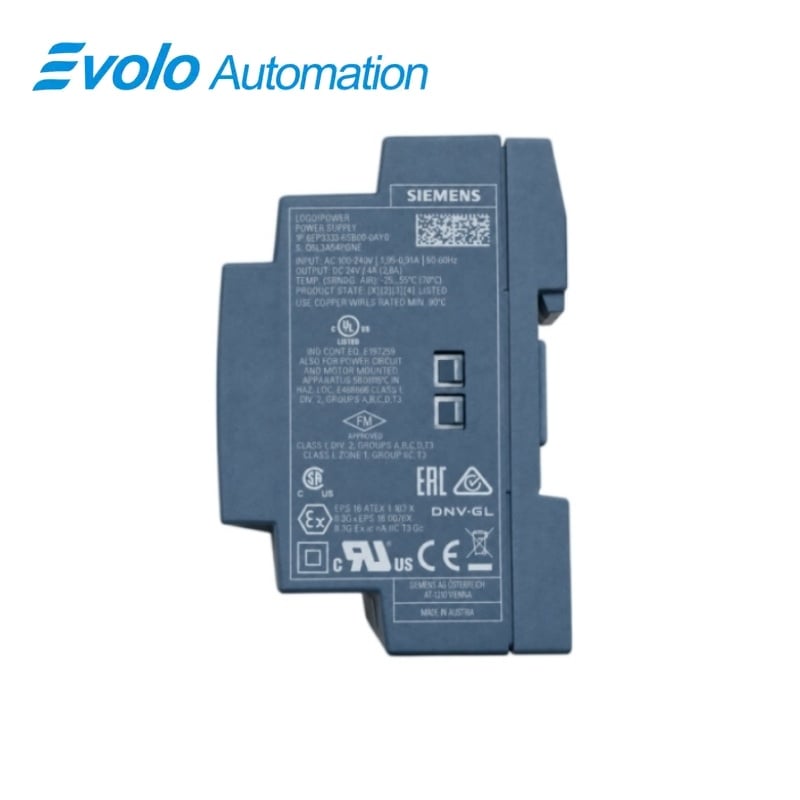
Siemens 6EP3333-6SB00-0AY0 LOGO!Power 24 V 4 A Power Supply
Manufacturer: Siemens
Condition: Brand New
Lead Time: In Stock
Origin: Germany
Warranty: 12 Months
Email: [email protected]
whatsApp: +86-18150117685
- Overview
- Hot Selling Models
- Recommended Products
Overview
- Apply the output-current derating at elevated cabinet temperatures.
- Use the measuring point according to its 50 mV-to-4 A relationship.
- Check the load startup profile against the short-duration overload allowance.
- Maintain the specified clearances for the selected mounting arrangement.
6EP3333-6SB00-0AY0 LOGO!Power 24 V 4 A Power Supply
A 24 V, 4 A LOGO!Power supply with a current-measuring point, soft start and DIN-rail or direct mounting.
At a Glance
| Brand | Siemens |
|---|---|
| Model | 6EP3333-6SB00-0AY0 |
| Product Type | Stabilized control power supply |
| Core Function | Providing a regulated 24 V control supply |
| Application | Compact automation and distribution panels |
Soft-start output
The output rises without overshoot during switch-on.
Current measurement access
A measuring point provides a voltage proportional to output current.
Short-duration overload
The supply provides 150% of nominal current for a typical 200 ms.
Product Overview
6EP3333-6SB00-0AY0 provides up to 96 W of regulated 24 V DC output power.
The compact housing combines adjustable output voltage, a front-accessible current-measuring point and short-term overload capability for startup loads.
Key Functions
Soft-start output
The output rises without overshoot during switch-on.
Current measurement access
A measuring point provides a voltage proportional to output current.
Short-duration overload
The supply provides 150% of nominal current for a typical 200 ms.
Official Specifications
| AC input | 85–264 V AC; 47–63 Hz; rated 100–240 V |
|---|---|
| DC input | 110–300 V DC |
| Rated output | 24 V DC, 4 A; 96 W |
| Output adjustment | 22.2–26.4 V |
| Rated-load mains buffering | At least 40 ms at 187 V input |
| Maximum inrush | 31 A at 25 °C; I²t 2.5 A²·s maximum |
| Maximum residual ripple | 200 mV; 30 mV typical |
| Startup characteristics | No output overshoot; maximum delay 0.5 s; typical rise time 100 ms |
| Static regulation | 0.1% for slow input and resistive-load changes |
| Typical load-step settling time | 1 ms for 10–90% or 90–10% resistive-load steps |
| Short-term overload | 150% of rated output current for a typical 200 ms |
| Short-circuit characteristic | Constant-current response; typical limiting current 5 A |
| Output-current measuring point | 50 mV corresponds to 4 A |
| Parallel capacity | Up to 2 supplies for increased output power |
| Efficiency and nominal loss | 89.1%; typical loaded loss 11.7 W |
| Electrical protection | Class II without protective conductor; SELV output; IP20 |
| Operating ambient | −25 to +70 °C; derating 2%/K from +55 to +70 °C |
| Power connections | Screw terminals for 0.5–2.5 mm² conductors |
| Mounting and clearances | 35 mm DIN rail or direct mounting; 20 mm above and below; no lateral clearance |
| Dimensions and net mass | 72 × 90 × 53 mm (W × H × D); 0.29 kg |
Frequently Asked Questions
How can I measure the output current of 6EP3333-6SB00-0AY0 without opening the power circuit?
Use the current-measuring point, where 50 mV corresponds to 4 A.
Does 6EP3333-6SB00-0AY0 produce an output-voltage overshoot when switched on?
The soft-start output is specified without overshoot.
Can 6EP3333-6SB00-0AY0 support a brief startup current above its nominal 4 A?
The supply provides 150% of rated output current for a typical 200 ms.
How many units of 6EP3333-6SB00-0AY0 can be paralleled for additional power?
Up to two supplies may be connected in parallel to increase output power.
Does the Class II construction of 6EP3333-6SB00-0AY0 require a protective conductor?
The Class II supply is designed without a protective conductor.
Can 6EP3333-6SB00-0AY0 be mounted directly instead of on a DIN rail?
The housing supports direct mounting as well as 35 mm DIN-rail mounting.
What output-current adjustment is needed for 6EP3333-6SB00-0AY0 above 55 °C?
Reduce the output current by 2% per kelvin between 55 and 70 °C.