EN




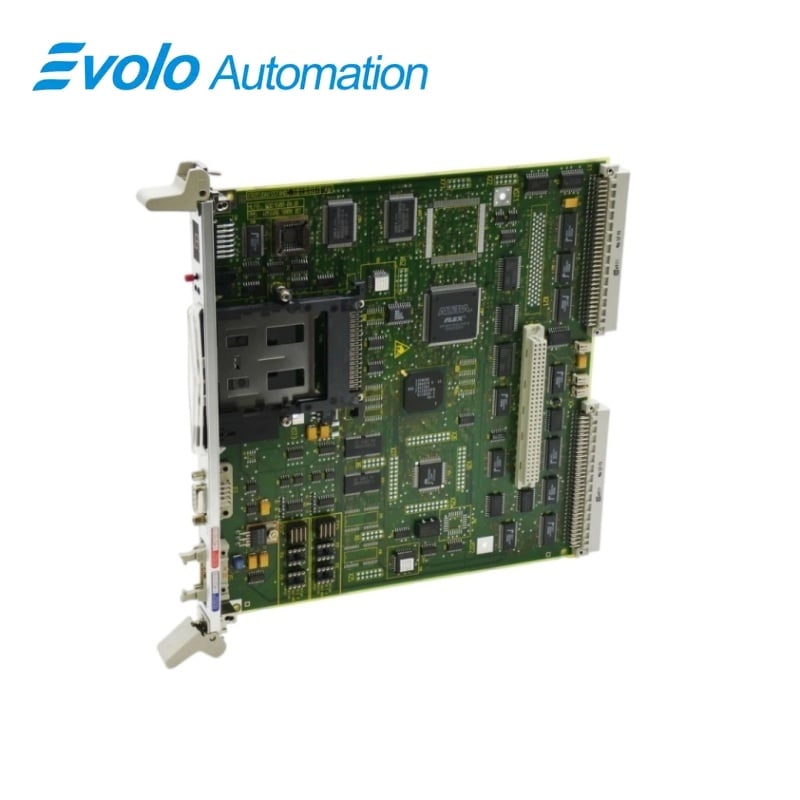
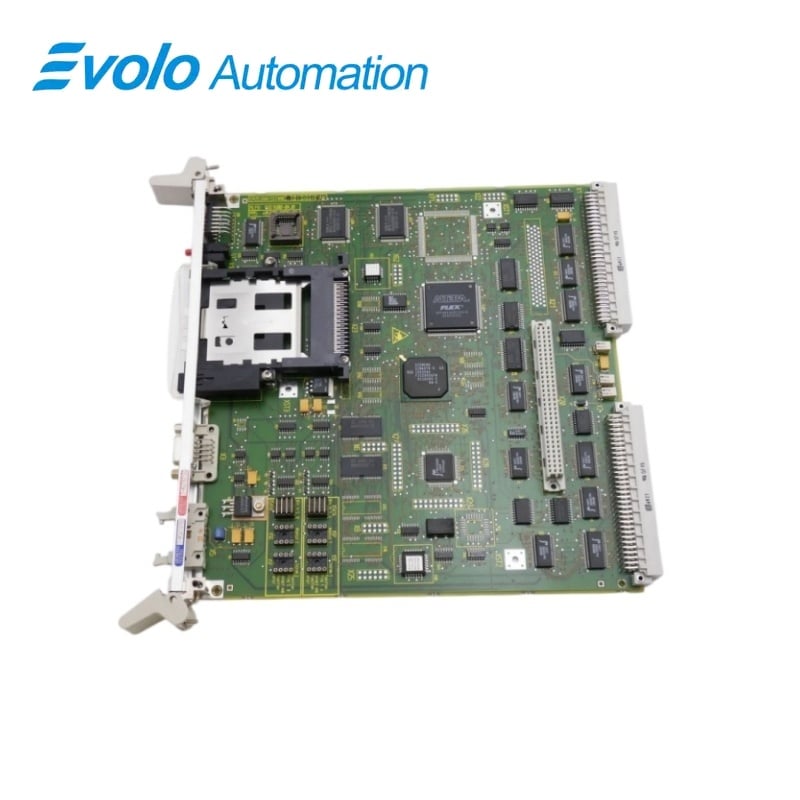
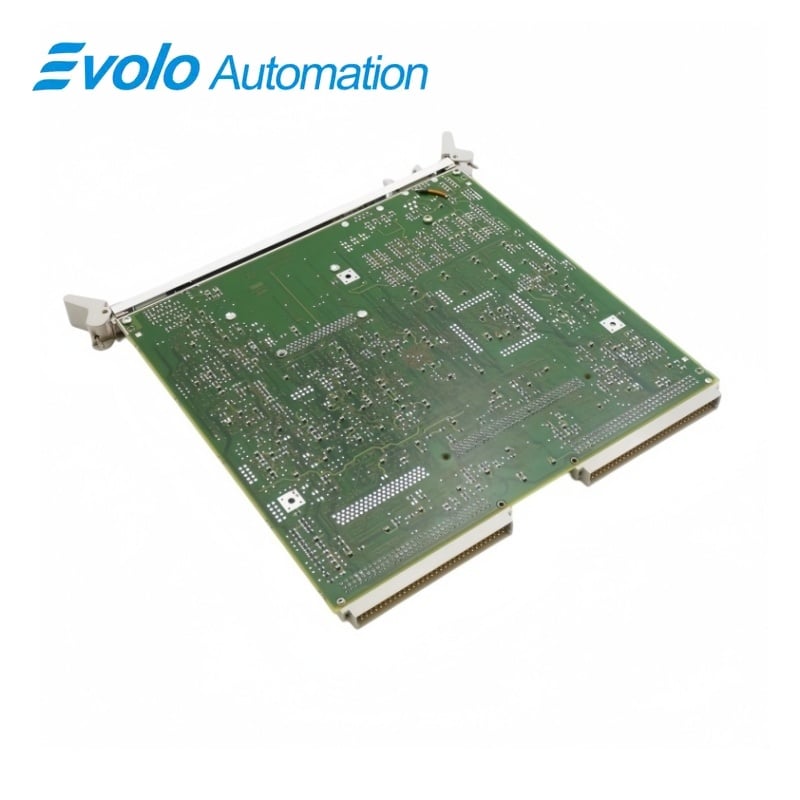
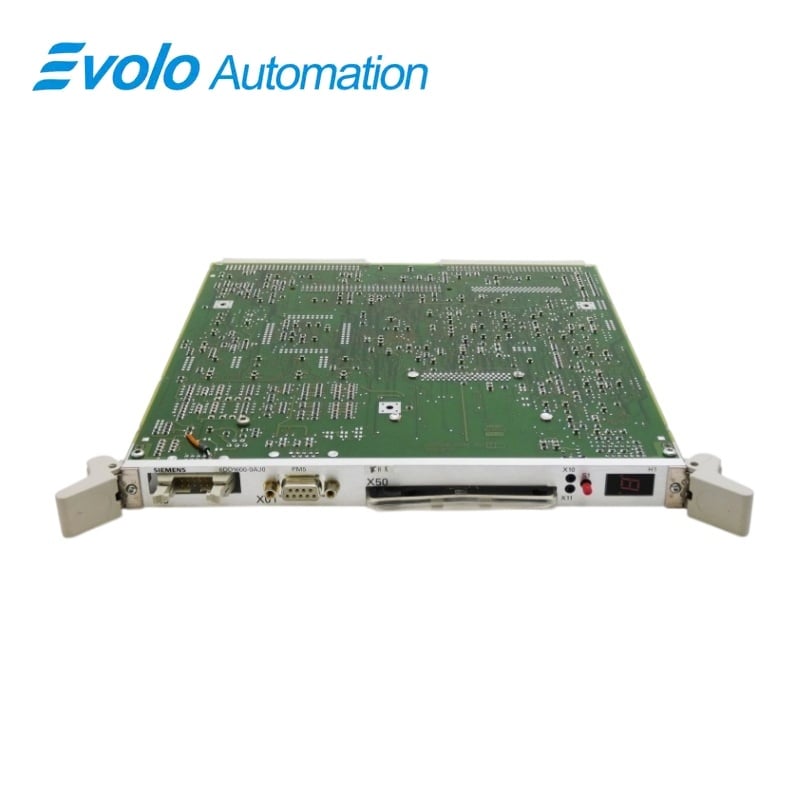
Siemens SIMADYN D 6DD1600-0AJ0 PM5 CPU Module
Manufacturer: Siemens
Condition: Brand New
Lead Time: In Stock
Origin: Germany
Warranty: 12 Months
Email: [email protected]
whatsApp: +86-18150117685
- Overview
- Product Overview
- Key Functions
- Official Specifications
- Frequently Asked Questions
- Compatibility & Ordering Notes
- Hot Selling Models
- Recommended Products
Overview
Siemens · SIMADYN D
6DD1600-0AJ0 PM5 CPU Module
Siemens 6DD1600-0AJ0 is the SIMADYN D PM5 CPU module with a 32 MHz 32-bit RISC processor, 4 MB DRAM, 64 KB buffered SRAM and optional encoder connections.
At a Glance
| Brand | Siemens |
|---|---|
| Model | 6DD1600-0AJ0 |
| Product Type | 32-bit RISC processor module for control and regulation |
| Core Function | Executes general SIMADYN D control tasks with fast cyclic processing |
| Application or Compatible Series | SIMADYN D stations engineered with STEP 7, CFC and D7-SYS |
Project Archive
Secure the STEP 7, CFC and D7-SYS project together with hardware configuration before exchange.
Memory Module
Match the installed MS5 or MS51 program-memory submodule and preserve its loaded application.
Encoder Hardware
Record any binary inputs, absolute encoders, incremental encoders and associated interface submodules.
Product Overview
Siemens 6DD1600-0AJ0 is the SIMADYN D PM5 CPU module with a 32 MHz 32-bit RISC processor, 4 MB DRAM, 64 KB buffered SRAM and optional encoder connections.
The PM5 supports minimum cycle times of 0.1 ms for configured control tasks. Four megabytes of DRAM hold expanded program code, operating data, communication and trace resources. Sixty-four kilobytes of SRAM retain diagnostics and selected process data with battery support.
Key Functions
Fast Cyclic Control
The PM5 supports minimum cycle times of 0.1 ms for configured control tasks.
Dedicated Runtime Memory
Four megabytes of DRAM hold expanded program code, operating data, communication and trace resources.
Buffered Retentive Storage
Sixty-four kilobytes of SRAM retain diagnostics and selected process data with battery support.
Official Specifications
| Processor Architecture | 32-bit RISC |
|---|---|
| Processor Clock | 32 MHz |
| DRAM Capacity | 4 MB EDO |
| Buffered SRAM Capacity | 64 KB |
| Minimum Cycle Time | 0.1 ms |
| Typical Control-Loop Cycle | Approximately 0.6 ms |
| Maximum Binary Inputs | 8 |
| Maximum Absolute Encoders | 2 |
| Maximum Incremental Encoders | 2 |
| Retentive Process Values | Up to 1,000 with the SAV function block |
| Program Memory Submodules | MS5 or MS51 |
| Engineering Environment | STEP 7, CFC and D7-SYS |
| Offline Program Loading | PCMCIA programming adapter |
| Online Program Loading | Serial communication connection |
| Rack Communication | SIMADYN D backplane bus |
| Programming Connection | Serial PG/PC interface |
Frequently Asked Questions
Which memory submodule should I preserve with 6DD1600-0AJ0?
Keep the installed MS5 or MS51 device matched to the archived application and hardware configuration.
How fast can 6DD1600-0AJ0 execute a configured cycle?
The shortest specified cycle is one tenth of a millisecond, while a typical control loop is about six tenths.
Which engineering tools are used for 6DD1600-0AJ0?
The application is configured with STEP 7, CFC and the D7-SYS environment.
What data is retained by 6DD1600-0AJ0 after a power loss?
Battery-backed SRAM can preserve fault diagnostics, selected process values and configured message or trace data.
Can 6DD1600-0AJ0 accept encoder signals?
Yes, the hardware arrangement can provide connections for as many as two absolute and two incremental encoders.
What should I copy before exchanging 6DD1600-0AJ0?
Copy the project archive, rack layout, memory-submodule contents, interface settings and encoder assignments.
Why might 6DD1600-0AJ0 require a higher-capacity processor?
Applications that exceed the available four-megabyte DRAM resource require a module with more runtime memory.
Compatibility & Ordering Notes
Compatibility Checklist
- Confirm the installed station is a SIMADYN D configuration engineered for the PM5 processor.
- Match the program-memory submodule, project version, rack slot and communication settings.
- Record all binary-input and encoder connections before removing the existing module.