 EN
EN



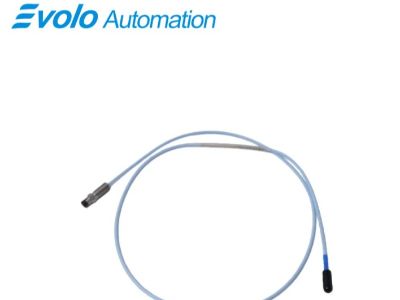
Understanding the installation requirements for 330106 proximity probes is critical for effective machinery monitoring in industrial settings. These sensors play a pivotal role in measuring the position of rotating machinery and ensuring optimal performance. Buyers typically have concerns regarding compatibility, installation processes, and the overall impact of these bently nevada probes on operational efficiency. This article will provide insights into the essential installation requirements, selection criteria, specifications, cost factors, and best practices for installing proximity probes to enhance machinery monitoring.
Understanding Proximity Probe Installation Requirements for Machinery Monitoring
The installation of proximity probes, like the 330106 model, is essential for accurate machinery monitoring. These sensors operate on the principle of electromagnetic fields to detect the position of a target object, such as a rotating shaft. Proper installation is crucial to ensure accurate measurements and prevent potential operational failures. Key factors to consider include the alignment of the probe with the target, the distance between the bently nevada vibration probe and target, and the environmental conditions of the installation site.
When installing proximity probes, it’s important to follow the manufacturer’s guidelines to ensure optimal performance. Misalignment or incorrect mounting can lead to inaccurate readings and eventual machinery damage. Additionally, monitoring systems should be integrated properly to facilitate data acquisition and analysis.
How to Choose the Right Proximity Probe for Your Equipment Needs?
Selecting the right proximity probe involves several considerations tailored to your machinery's specifications and operational environment. Buyers should assess the following factors:
Application Compatibility: Ensure the probe is suitable for the specific machinery type. Compatibility with existing monitoring systems is also critical.
Measurement Range: Consider the required sensing distance based on the machinery's operational characteristics. Proximity probes come with varying ranges, and selecting one that meets your needs is crucial for effective monitoring.
Environmental Conditions: Evaluate the environmental factors such as temperature, humidity, and potential exposure to chemicals that may affect the probe's performance. Probes designed for harsh environments may be necessary in some applications.
Signal Output Type: Determine whether you need a digital or analog output based on your monitoring system requirements.
By carefully evaluating these factors, buyers can avoid common pitfalls associated with improper probe selection, which can lead to operational inefficiencies.
Key Specifications for Proximity Probes in Industrial Applications
Understanding the specifications of proximity probes is vital for ensuring they meet your operational needs. Key specifications include:
Operating Temperature: Probes must operate effectively within the temperature ranges of your machinery. Exceeding this range can lead to sensor failure or inaccurate readings.
Sensitivity: The sensitivity of the probe affects its ability to detect small changes in position. Higher sensitivity may be required for precision applications.
Response Time: This specification indicates how quickly the bently nevada 330106 probe can respond to changes in the position of the target object. Faster response times are critical in high-speed applications.
Mounting Type: Different mounting configurations (such as flush or non-flush) may be required depending on the installation space and application.
Buyers should ensure that the specifications align with the operational requirements of their machinery to avoid underperformance or premature failure.
Cost Factors to Consider When Purchasing Proximity Probes in Bulk
When purchasing proximity probes like the 330106 model in bulk, several cost factors should be considered to optimize your procurement process:
Volume Discounts: Many suppliers offer significant discounts for bulk purchases. Understanding the pricing structure can help you negotiate better rates.
Shipping and Handling Costs: Factor in the logistics costs associated with shipping larger quantities. Shipping methods and destination can greatly influence total costs.
Custom Specifications: If custom probes are required, additional costs for design and manufacturing may apply. Ensure that these are included in your budgeting process.
Quality Assurance: Consider the costs associated with quality inspections. Ensuring the probes meet your specifications can prevent costly downtimes in the future.
Evaluating these factors will help buyers make informed decisions, ensuring that they receive quality products while managing overall costs effectively.
Guidance on Proximity Probe Installation for Optimal Performance
Proper installation of proximity probes is essential for maximizing their performance. Here are some best practices to follow:
Alignment: Ensure that the probe is aligned correctly with the target object. A misaligned probe can lead to inaccurate readings and may cause wear or damage to both the probe and the machinery.
Distance: Maintain the recommended gap between the probe and the target as specified by the manufacturer. This distance is critical for accurate sensing.
Secure Mounting: The probe must be securely mounted to prevent movement that could affect measurement accuracy. Utilize the appropriate mounting hardware and techniques as outlined in installation guidelines.
Environmental Considerations: Install the probe in an environment that minimizes exposure to extreme conditions that could affect its operation. Implementing protective measures can enhance longevity and reliability.
Testing and Calibration: After installation, conduct thorough testing to verify that the probe operates within the expected parameters. Regular calibration checks should be scheduled to maintain accuracy over time.
By adhering to these installation guidelines, buyers can ensure that their proximity probes will function effectively, leading to reliable machinery monitoring and reduced operational risks.
Table of Contents
- Understanding Proximity Probe Installation Requirements for Machinery Monitoring
- How to Choose the Right Proximity Probe for Your Equipment Needs?
- Key Specifications for Proximity Probes in Industrial Applications
- Cost Factors to Consider When Purchasing Proximity Probes in Bulk
- Guidance on Proximity Probe Installation for Optimal Performance

