EN
EN




- Overview
- Specifications
- Description
- Applications
- Competitive Advantage
- FAQ
- Recommended Products
Overview
Place of Origin: |
Sweden |
Brand Name: |
ABB |
Model Number: |
DSCA160A |
Packaging Details: |
Original new Factory Sealed |
Delivery Time: |
5-7 days |
Payment Terms: |
T/T |
Supply Ability: |
In stock |
Specifications
|
Model: |
DSCA160A |
|
Type: |
Communication Processor |
|
Dimensions: |
2.1 x 25 x 24.4 cm |
|
Weight: |
0.58 kg |
|
Interface: |
RS-232 |
|
Transmission Distance: |
Standard ≤15 m (per RS-232 specification) |
|
Baud Rate: |
Standard range 300–115200 bit/s (system dependent) |
|
Power Supply: |
From system backplane or local supply (typically 24 V DC) |
|
Operating Temperature: |
0–60°C (industrial grade typical) |
|
Mounting: |
System rack / backplane slot installation |
Description
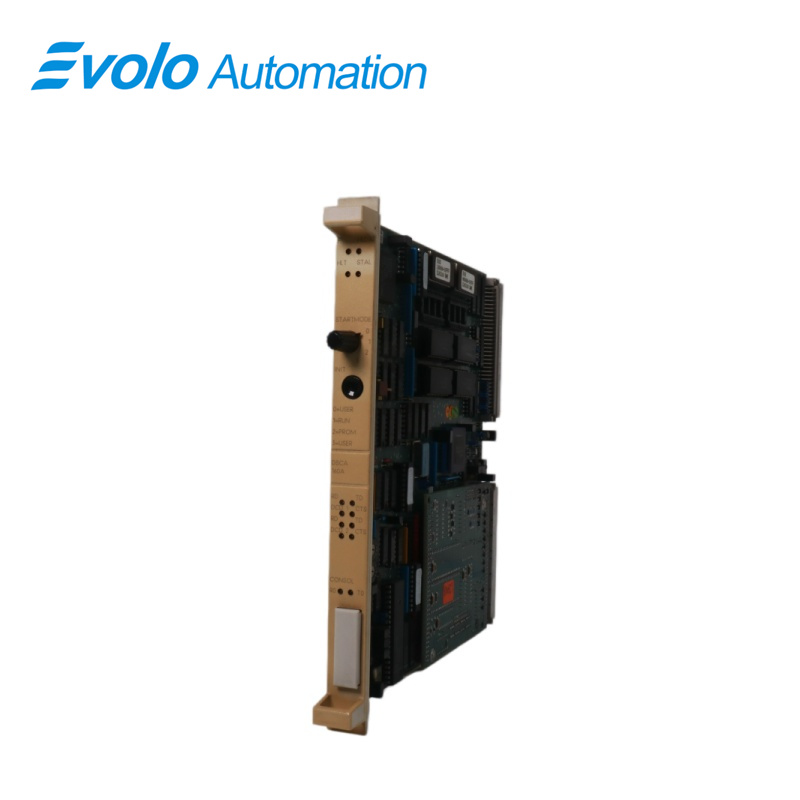
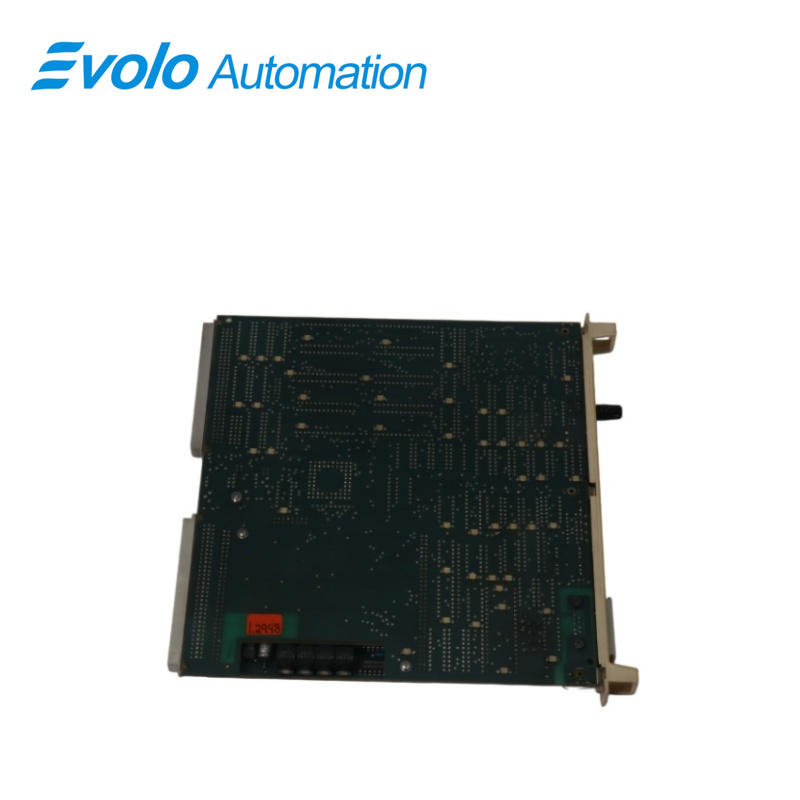
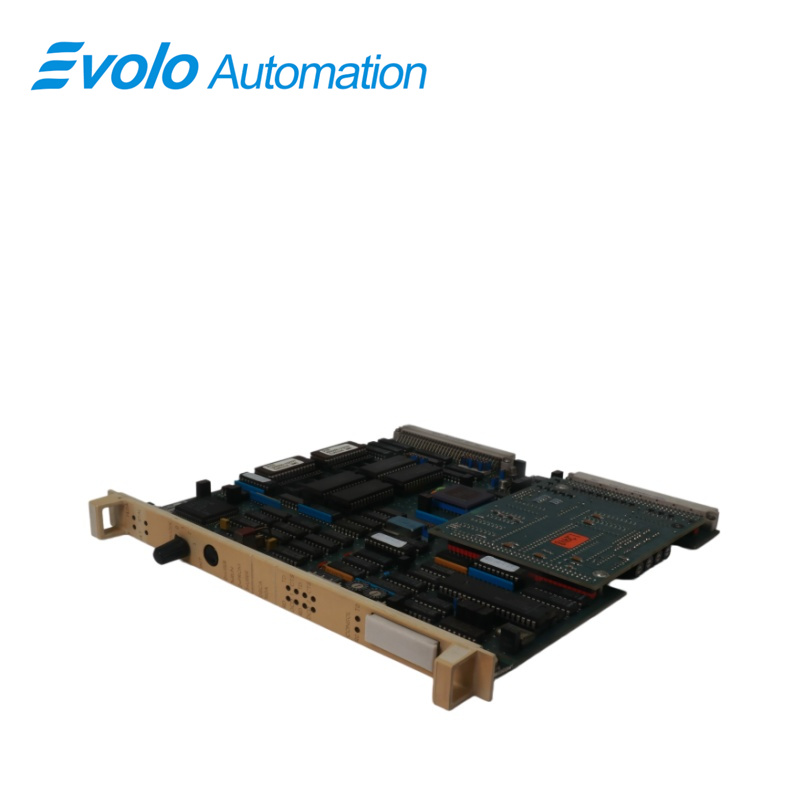
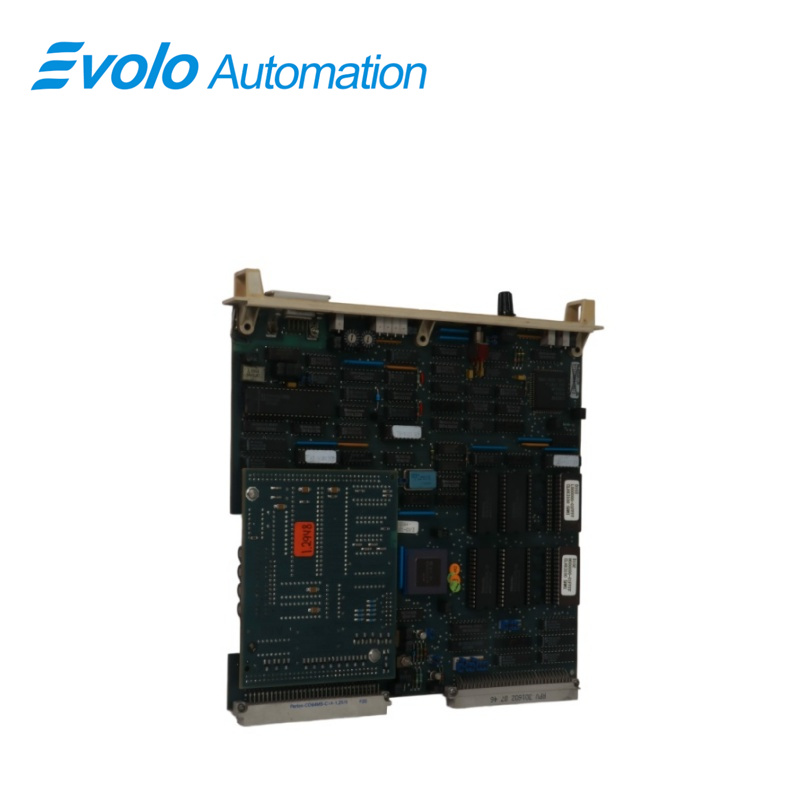
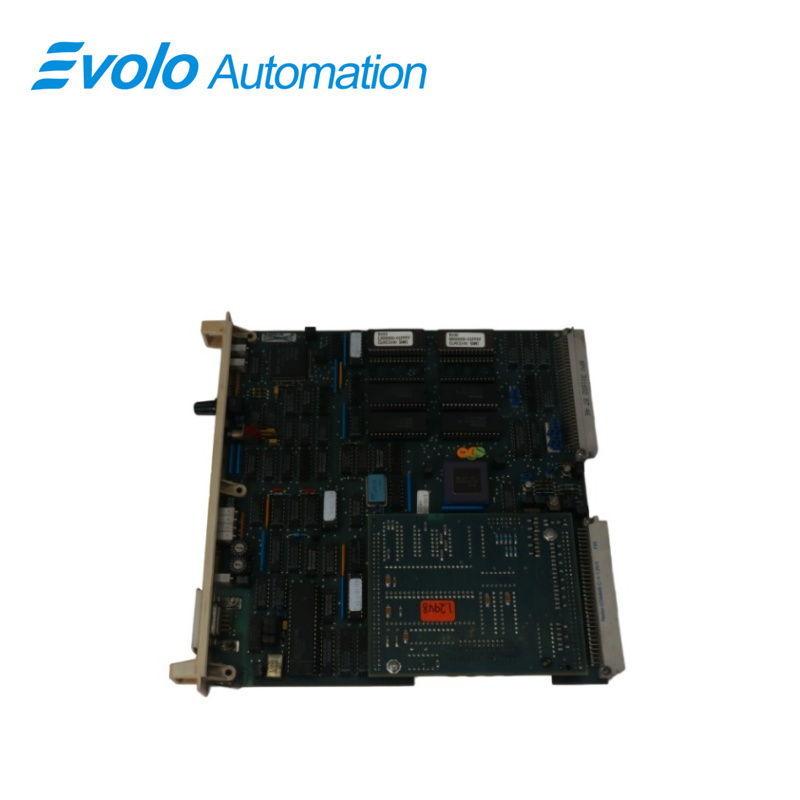
The ABB DSCA160A is an RS-232 serial communication processor used in ABB control systems (such as the Advant OCS/Mod 300 series) to provide local RS-232 serial communication, enabling data exchange with host computers, HMIs, or peripheral devices.
Applications
Power and energy plants: Used in power plants to connect to legacy monitoring terminals or external recorders.
Oil and chemical plants: Used in oil refineries for serial data exchange with various analyzers and weighing systems.
Metal and mining plants: Used in metallurgical plants for serial interfaces to connect field configuration tools or specific sensors.
Water treatment plants: Used in wastewater treatment plants to connect to remote modems or specific RTU nodes.
Competitive Advantage
System debugging, parameter download/upload
Alarm and event data upload
Communication with third-party serial devices (such as industrial PCs, HMIs, modems)
Local serial port interaction of robots/automation units
FAQ
Q: What is the DSCA160A?
A: It is a Communication Processor.
Q: Does the DSCA160A support hot-swapping?
A: In the AC160 system, it is generally not recommended to plug or unplug the DSCA160A while running. Hot-swapping should only be done after a power outage or after confirming redundancy switching.
Q: How to distinguish between the DSCA160A and the DSCA120?
A: The DSCA160A is a dedicated RS-232 serial communication processor, whereas the DSCA120 is typically used as a network interface board for the MasterBus 300 (MB300).
Q: What is the maximum communication distance supported by the DSCA160A ?
A: The RS-232 standard is typically limited to 15 meters. For longer distances, it is recommended to use an RS-232/485 converter or a fiber optic link.
Q: Is there a coated version of the DSCA160A ?
A: Yes. Certain versions have an enhanced anti-corrosion coating, making them suitable for chemical plants, high-humidity environments, or areas with sulfur-containing atmospheres.