EN
EN




- Overview
- Quick Detail
- Description
- Applications
- Specifications
- Competitive Advantage
- Recommended Products
Overview
Place of Origin: |
USA |
Brand Name: |
Bently Nevada |
Model Number: |
190501-10-00-02 |
Packaging Details: |
Original new Factory Sealed |
Delivery Time: |
5-7 days |
Payment Terms: |
T/T |
Supply Ability: |
In stock |
Quick Detail
|
Mounting Hardware Option: |
Plate Stud M6x1 to M6x1with 3/8- in 24 adapter |
|
Connection Option: |
MIL-C-5015 connection interface |
|
Agency Approval Option: |
CSA/NRTL/C (Class I, Division 1), ATEX/IECEx/CSA (Class I, Zone 0/1) |
|
Dimension: |
3.6x3.1x10cm |
|
Weight: |
0.38kg |
Description
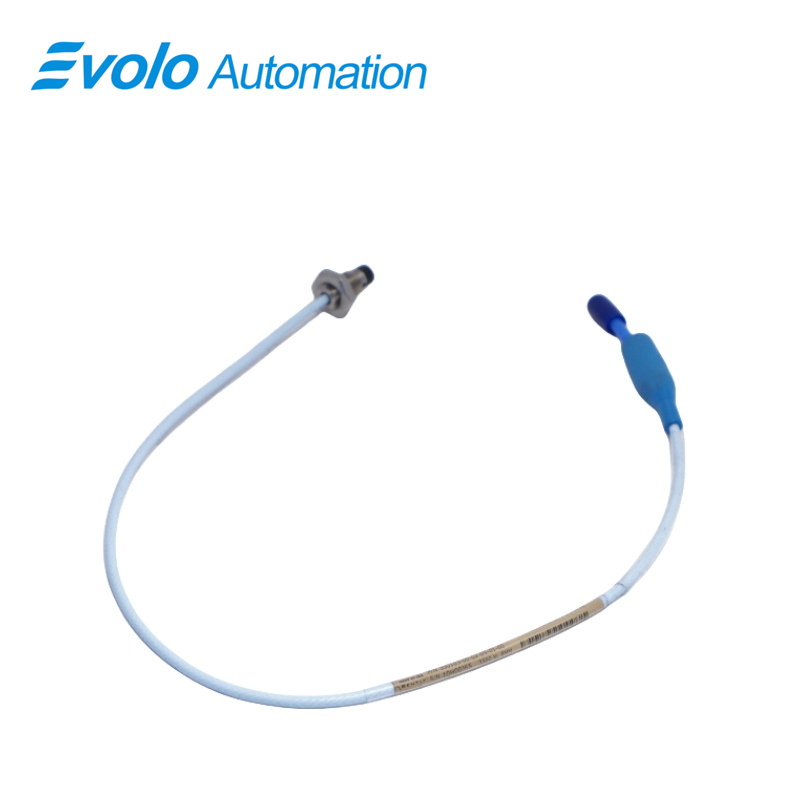
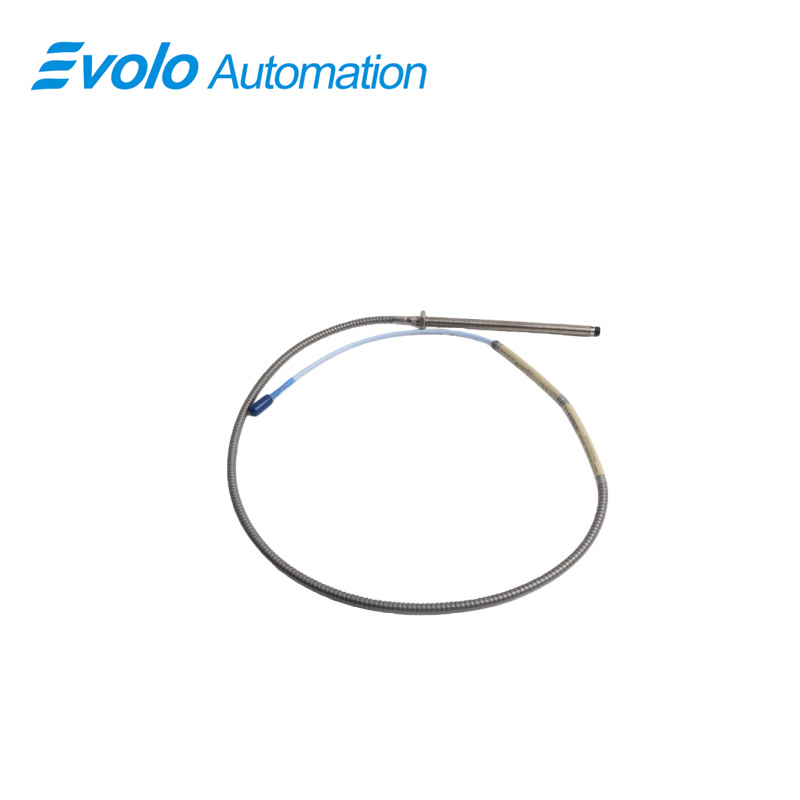
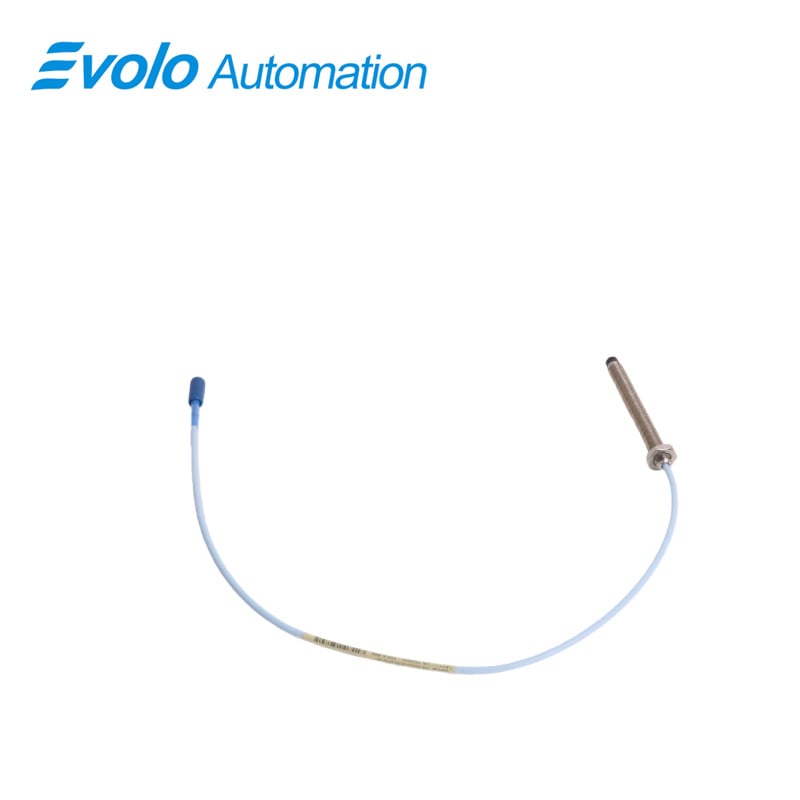
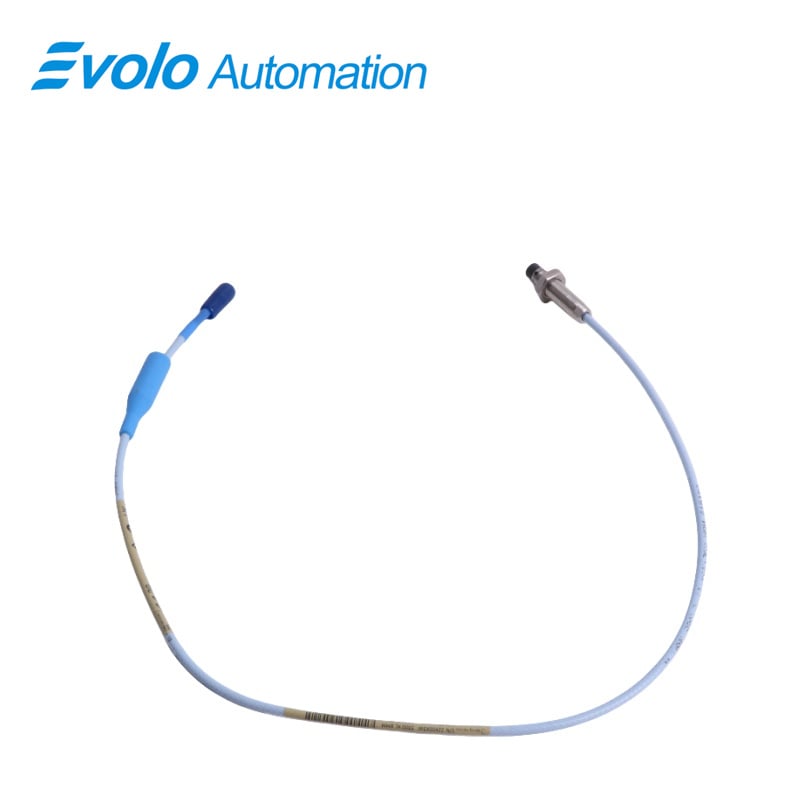
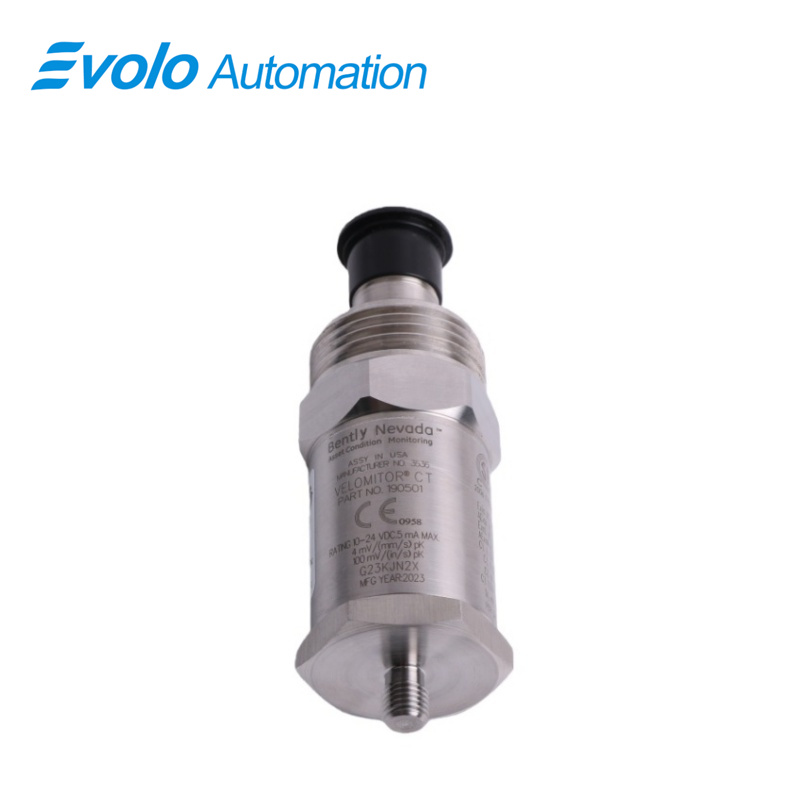
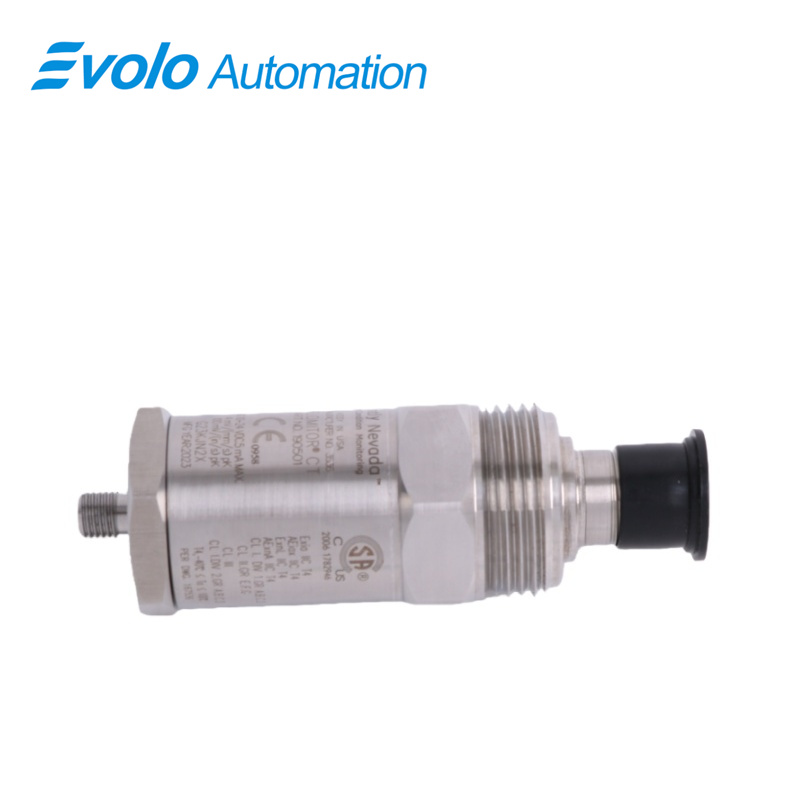
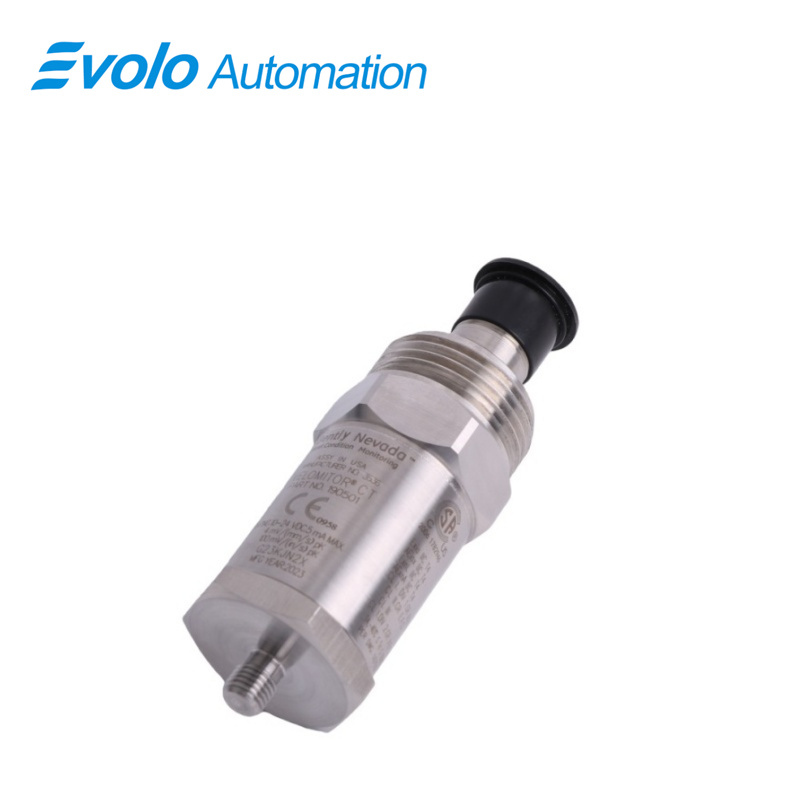
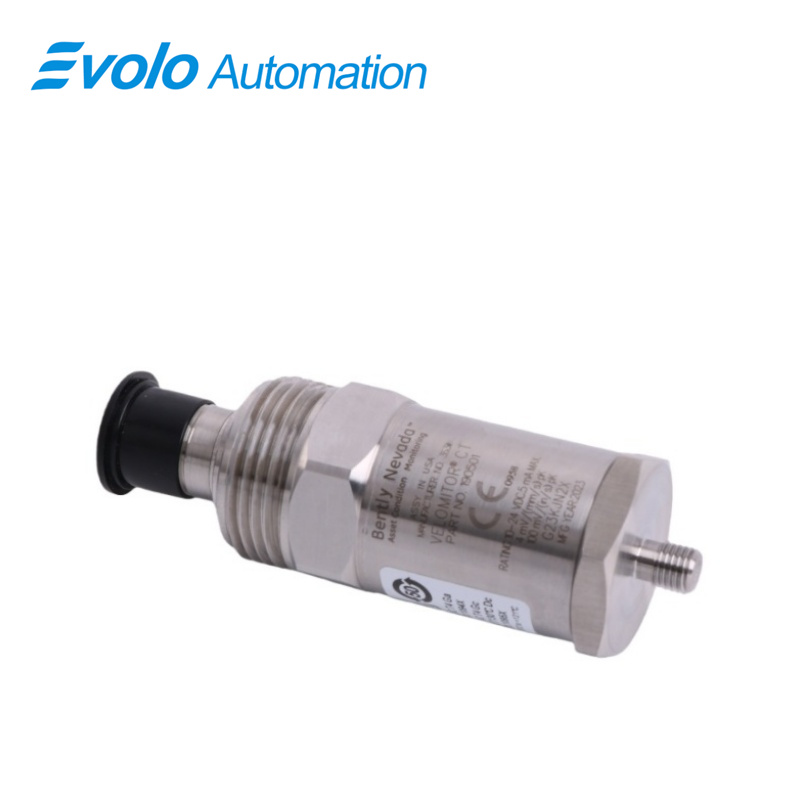
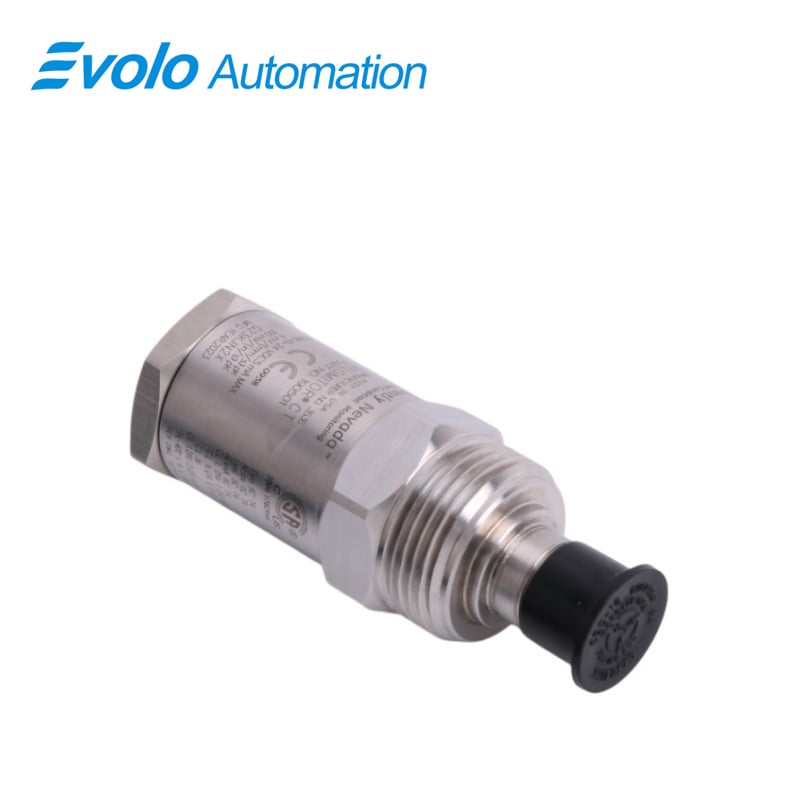
The 190501-10-00-02 Velomitor CT Velocity Transducer measures low-frequency casing vibration on cooling tower and air-cooled heat-exchanger fans operating above 90 rpm (100–300 rpm typical). Its 3.94 mV/mm/s sensitivity and 3.0 Hz to 900 Hz frequency response allow precise automated monitoring of fan motor and speed reducer vibration. The 190501-10-00-02 installs on 33 mm diameter surfaces with M6x1 stud and 3/8-in 24 adapter, and connects via MIL-C-5015 2-pin interface to PLC, DCS, or SCADA systems. The 316L stainless steel case withstands 5000 g shock, 100% condensing humidity, and operates from -40°C to +85°C. This configuration enables the 190501-10-00-02 to provide continuous vibration data for automated fan monitoring, alarm triggering, and predictive maintenance.
Applications
Measure Cooling Tower Fan Vibration Using the 190501-10-00-02
Install the 190501-10-00-02 Velomitor CT on cooling tower fan casings to capture low-frequency vibration velocity. Its 3.94 mV/mm/s sensitivity and 3.0 Hz to 900 Hz frequency range provide precise automated monitoring of fans operating above 90 rpm.
Monitor Air-Cooled Heat Exchanger Fans Using the 190501-10-00-02
The 190501-10-00-02 measures vibration amplitudes from fan motors and speed reducers. Its 316L stainless steel case tolerates shocks up to 5000 g and 100% condensing humidity, ensuring consistent automated data collection.
Integrate Vibration Data into PLC/DCS/SCADA Using the 190501-10-00-02
Connect the 190501-10-00-02 via MIL-C-5015 2-pin interface to plant automation systems. It outputs repeatable signals for automated alarm triggering, logging, and predictive maintenance workflows.
Enable Fan Health Analysis Using the 190501-10-00-02
With operating temperature from -40°C to +85°C, the 190501-10-00-02 supports continuous automated monitoring of fan vibration, enabling early detection of abnormal conditions and scheduling maintenance efficiently.
Specifications
|
Sensitivity: |
3.94 mV/mm/s (100 mV/in/s) ±5% |
|
Frequency Response: |
3.0 Hz to 900 Hz (180 to 54,000 cpm) ±1.0 dB or 1.5 Hz to 1.0 kHz (90 to 60,000 cpm) ±3.0 dB |
|
Temperature Sensitivity: |
-8% to +5% typical over the operating temperature range |
|
Case Material: |
316L stainless steel |
|
Connector: |
2-pin 316L stainless steel MIL-C-5015, top |
|
Mounting Torque: |
4.5 N-m ± 0.6 N-m (40 in– lbf ± 5 in-lbf) |
|
Mounting Angle: |
Any orientation |
|
Mounting Surface: |
33 mm diameter (1.3 in diameter) |
|
Operating Temperature: |
-40°C to +85°C (-40°F to +185°F) |
|
Storage Temperature: |
-40°C to +100°C (-40°F to +212°F) |
|
Shock Limit: |
5000 g pk, maximum |
|
Humidity Limit: |
100% condensing, non-submerged |
Competitive Advantage
Quick Installation Using the 190501-10-00-02
The 190501-10-00-02 Velomitor CT mounts on 33 mm surfaces using M6x1 stud with 3/8-in 24 adapter and 4.5 N-m torque, allowing fast integration into automated monitoring systems without extensive setup.
Operate in Harsh Fan Environments Using the 190501-10-00-02
The 190501-10-00-02 withstands shocks up to 5000 g, condensing humidity, and temperature from -40°C to +85°C, providing reliable automated vibration data in outdoor and high-humidity fan locations.
Accurate Low-Frequency Vibration Measurement Using the 190501-10-00-02
With 3.94 mV/mm/s sensitivity and 3.0 Hz to 900 Hz frequency response, the 190501-10-00-02 delivers precise low-frequency vibration signals for automated fan monitoring and predictive analysis.