EN
EN




- Overview
- Quick Detail
- Description
- Applications
- Specifications
- Competitive Advantage
- Recommended Products
Overview
Place of Origin: |
USA |
Brand Name: |
Bently Nevada |
Model Number: |
190501-01-00-01 |
Packaging Details: |
Original new Factory Sealed |
Delivery Time: |
5-7 days |
Payment Terms: |
T/T |
Supply Ability: |
In stock |
Quick Detail
|
Mounting Hardware Option: |
Stud 3/8-in 24 to 3/8-in 24 |
|
Connection Option: |
MIL-C-5015 connection interface |
|
Agency Approval Option: |
CSA/NRTL/C (Class I, Division 1), ATEX/IECEx/CSA (Class I, Zone 0/1) |
|
Dimension: |
9.2x3.6x3cm |
|
Weight: |
0.3kg |
Description
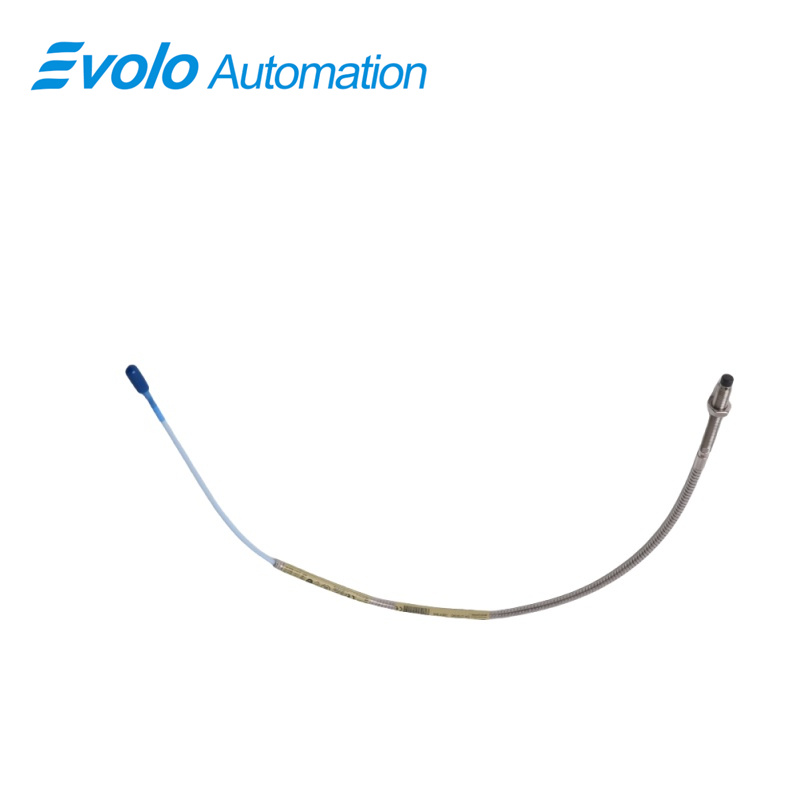
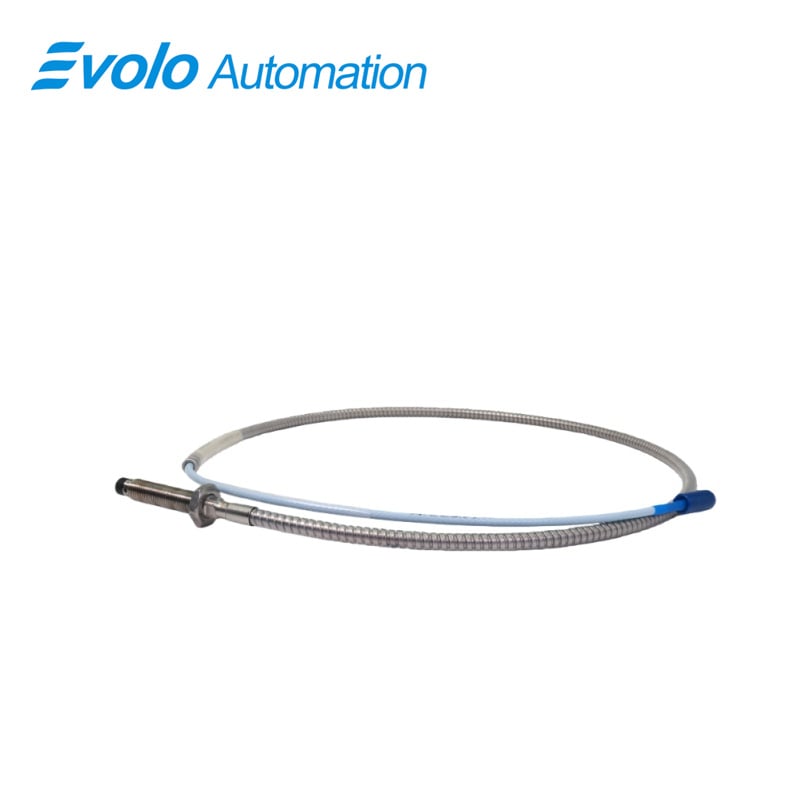
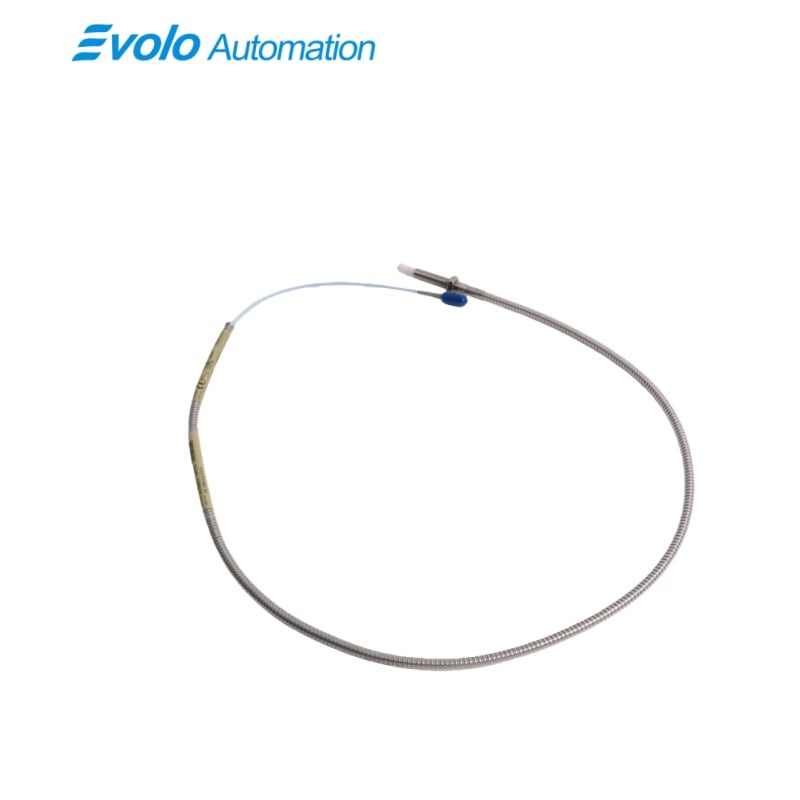
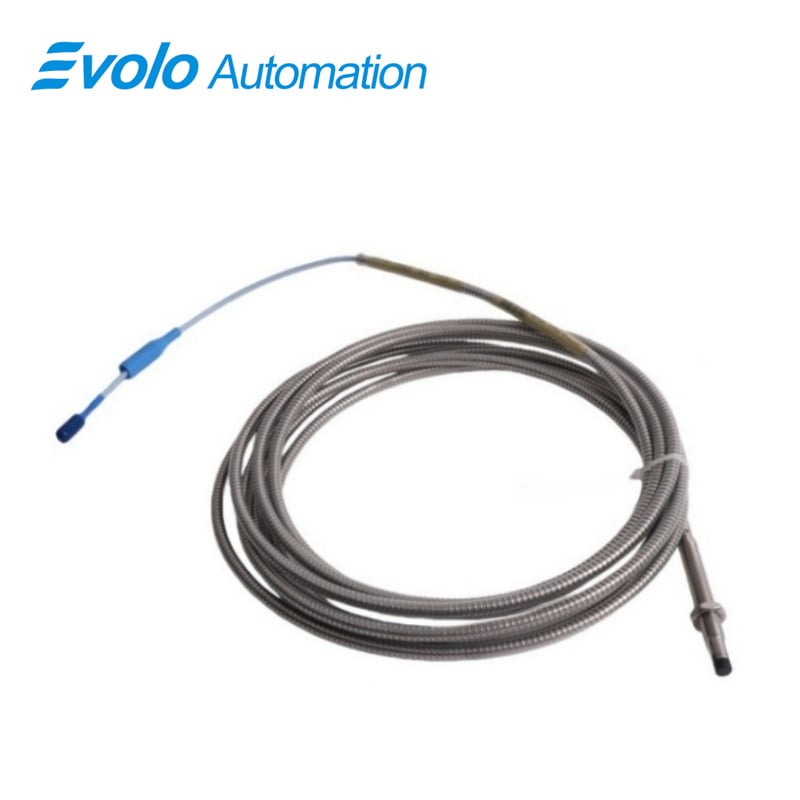
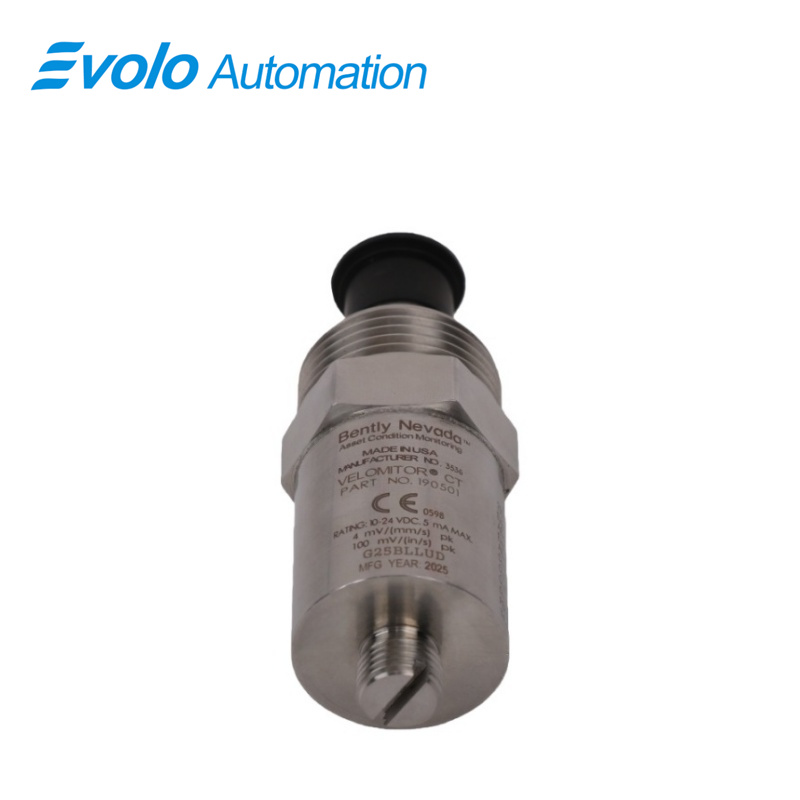
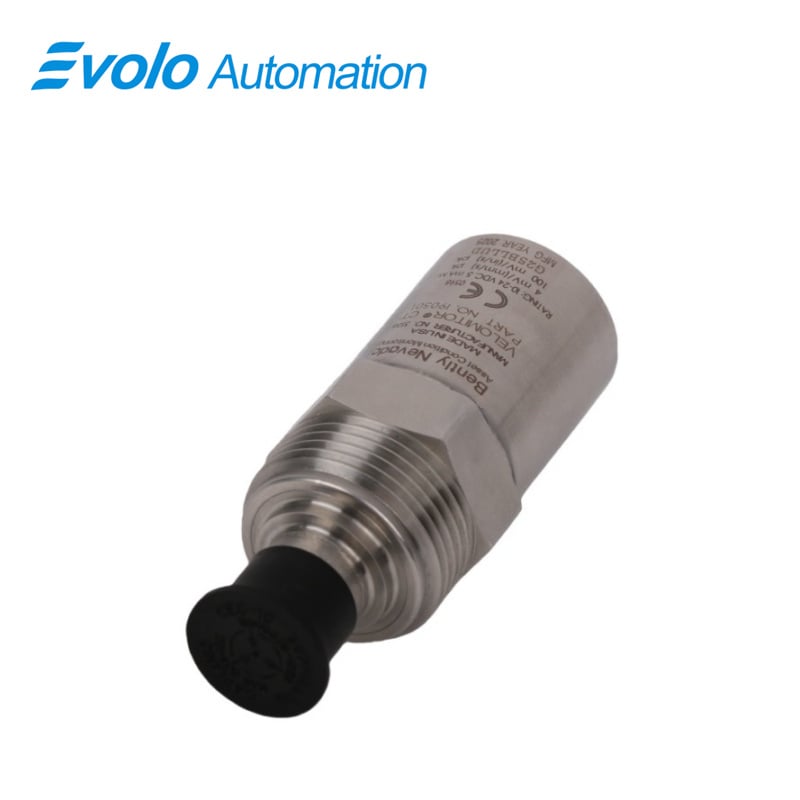
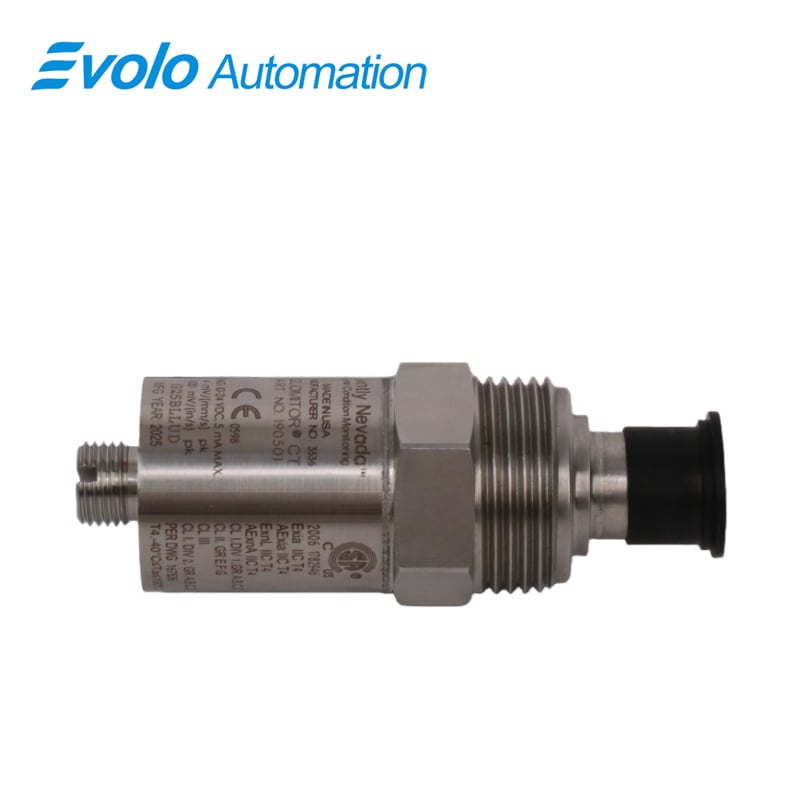
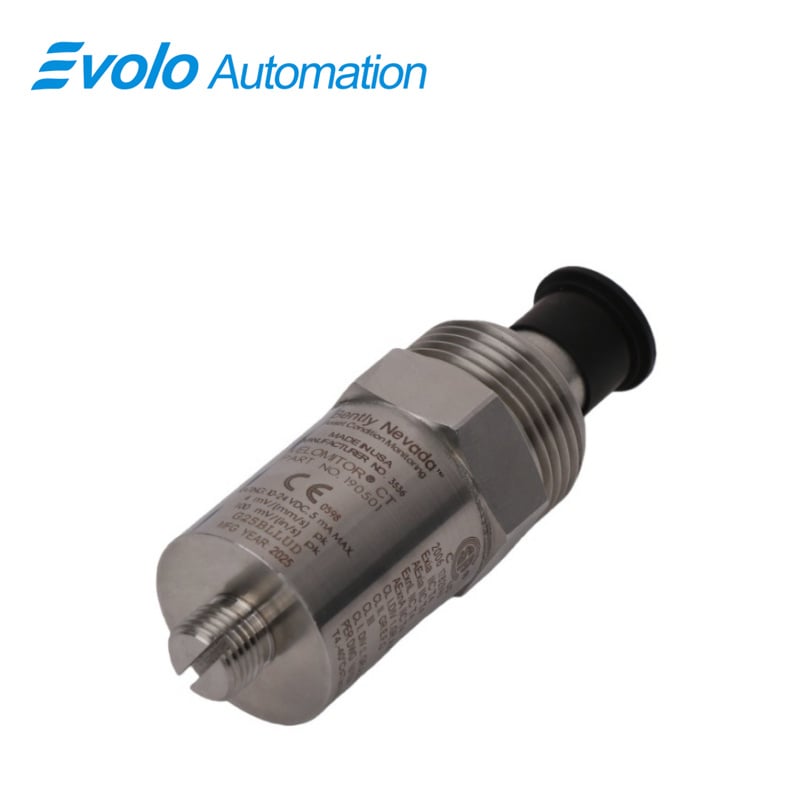
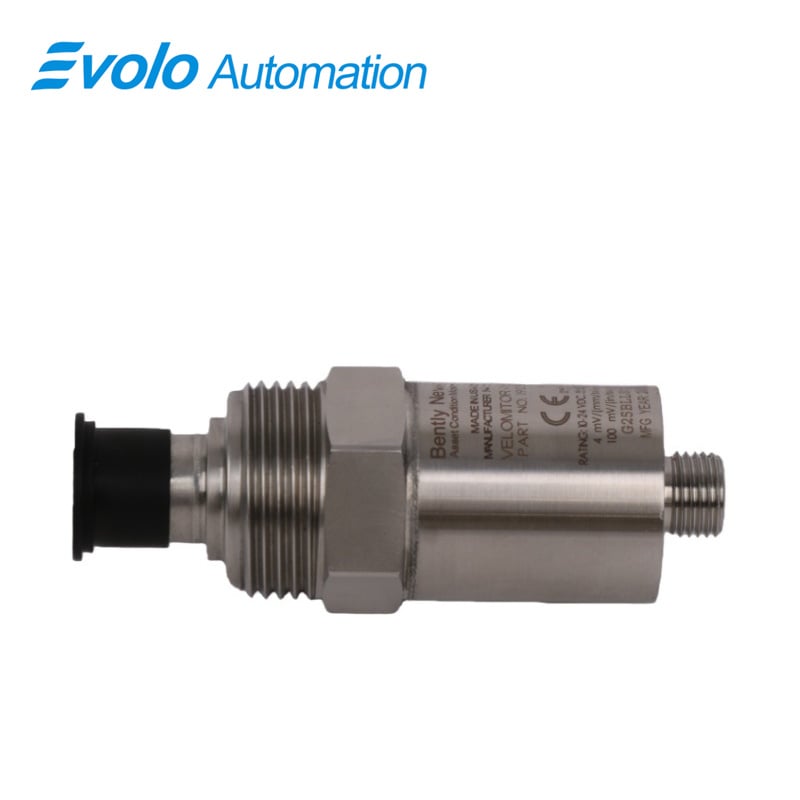
190501-01-00-01 Velomitor CT Velocity Transducer is a precision low-frequency sensor designed for automated monitoring of machinery vibration. With a sensitivity of 3.94 mV/mm/s (100 mV/in/s) ±5% and frequency response from 3.0 Hz to 900 Hz (180 to 54,000 cpm) ±1 dB, 190501-01-00-01 accurately captures casing vibration on cooling tower and air-cooled heat-exchanger fan assemblies operating typically between 100–300 rpm. The transducer features a 316L stainless steel case and MIL-C-5015 2-pin top connector, supporting mounting on a 33 mm (1.3 in) surface with torque of 4.5 N·m ±0.6 N·m. It functions across -40°C to +85°C (-40°F to +185°F) and can withstand 5000 g pk shock and 100% condensing humidity. 190501-01-00-01 integrates seamlessly with PLCs and condition monitoring systems, providing reliable velocity data for automated vibration analysis, fan speed verification, and predictive maintenance on industrial cooling and air-handling equipment.
Applications
Application – Fan Vibration Monitoring
190501-01-00-01 measures vibration velocity on cooling tower and air-cooled heat exchanger fans operating at 100–300 rpm. With a frequency response of 3.0 Hz to 900 Hz and sensitivity of 3.94 mV/mm/s ±5%, it captures low-frequency vibration signals for automated condition monitoring and ensures fan performance meets operational specifications.
Application – Motor and Speed Reducer Diagnostics
The transducer detects vibration amplitudes generated by fan motors and speed reducers. 190501-01-00-01 provides accurate 4–20 mA or PLC-compatible output, enabling predictive maintenance on rotating equipment by identifying early mechanical issues before failure occurs.
Application – Automated Process Integration
190501-01-00-01 integrates directly with PLCs and SCADA systems via a MIL-C-5015 2-pin connector. Its operating range of -40°C to +85°C allows deployment in extreme environmental conditions without additional configuration, supporting continuous automated monitoring of industrial fans and heat exchangers.
Specifications
|
Sensitivity: |
3.94 mV/mm/s (100 mV/in/s) ±5% |
|
Frequency Response: |
3.0 Hz to 900 Hz (180 to 54,000 cpm) ±1.0 dB or 1.5 Hz to 1.0 kHz (90 to 60,000 cpm) ±3.0 dB |
|
Temperature Sensitivity: |
-8% to +5% typical over the operating temperature range |
|
Case Material: |
316L stainless steel |
|
Connector: |
2-pin 316L stainless steel MIL-C-5015, top |
|
Mounting Torque: |
4.5 N-m ± 0.6 N-m (40 in– lbf ± 5 in-lbf) |
|
Mounting Angle: |
Any orientation |
|
Mounting Surface: |
33 mm diameter (1.3 in diameter) |
|
Operating Temperature: |
-40°C to +85°C (-40°F to +185°F) |
|
Storage Temperature: |
-40°C to +100°C (-40°F to +212°F) |
|
Shock Limit: |
5000 g pk, maximum |
|
Humidity Limit: |
100% condensing, non-submerged |
Competitive Advantage
Competitive Advantage – High Shock and Humidity Tolerance
The 316L stainless steel case and sensor design allow 190501-01-00-01 to survive 5000 g pk shock and 100% condensing humidity, ensuring reliable data collection in harsh industrial environments.
Competitive Advantage – Flexible Mounting Options
190501-01-00-01 supports mounting on a 33 mm diameter surface with 4.5 N·m torque in any orientation, making installation fast and adaptable to tight spaces on rotating machinery.
Competitive Advantage – Accurate Low-Frequency Measurement
With a frequency response down to 3 Hz and low temperature sensitivity (-8% to +5%), 190501-01-00-01 provides precise low-frequency vibration measurements essential for early fault detection and automated process diagnostics.